Recommended Books
You can’t grow in the design field or hit senior level without a big-picture mindset, solid skills, and at least a clue about how business works. These are some of the design, and not-so-design, books that helped me level up.
Design & Psychology
These books shaped my perspective on people, behavior, and products. You'll find a ton here... from core design principles to the sneaky ways users are influenced without even realizing it. They never get old.
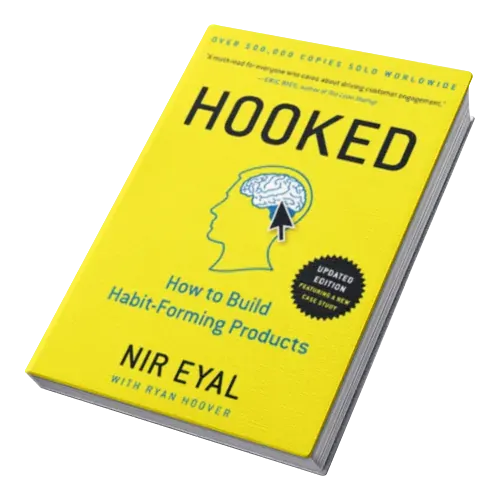
Hooked: How to Build Habit-Forming Products — Nir Eyal
As the title suggests, I was hooked on this book with a sparkle in my eyes. Nir knows the game of user habits. He reveals how to use psychology, neuroscience, and business insights to design and create products that become hooks themselves.
The Best Interface Is No Interface — Golden Krishna
Krishna is funny but provocative. He opens readers’ eyes to how obsessed we, as a society, have become with screens and unnecessary interfaces. This book pokes designers to rethink conventional digital design and create intuitive solutions that work without screens. A thought-provoking read for anyone seeking innovative approaches to UX.
Simple and Usable Web, Mobile, and Interaction Design — Giles Colborne
One of the first books that opened my eyes to the users hidden behind the audience, and how our so-called gem ideas often clash with their real needs. This book ate with its take on design simplicity and how simple products should be fr. A simple mind-shift read.
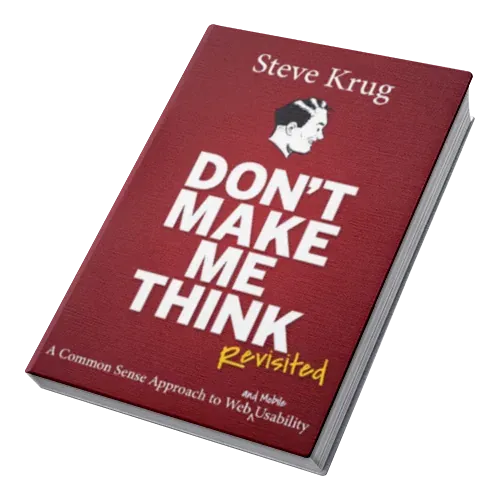
Don't Make Me Think — Steve Krug
Steve’s a fun guy who knows how to grab attention with this book, even when I’m burning on the beach under the skinny palms. His words stick with me years later when designing. Whenever something is too creative or I start questioning if it’s usable... nah, it’s not!, and "don't make me think" echoes in my mind.
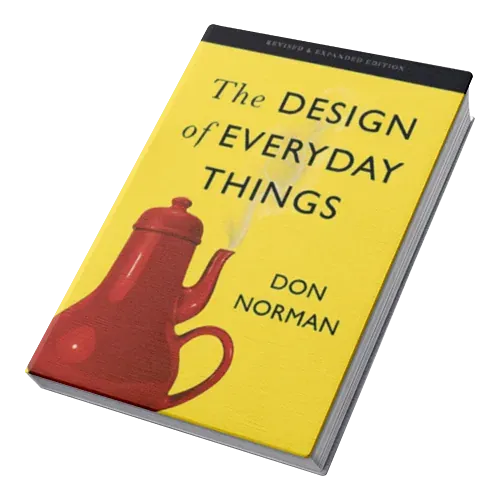
The Design of Everyday Things — Don Norman
I’ll admit, this book sat on my shelf for ages because it’s fat and the print is tiny, or at least that’s my rational vomit. But once I finally read it, I understood why it’s one of the design Bibles. Norman shows how design shapes human behavior, why empathy and psychology matter most, and ofc why he has issues with doors.
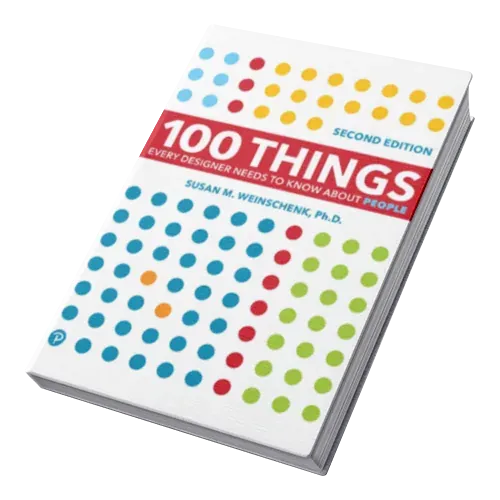
100 Things Every Designer Needs to Know About People — Susan M. Weinschenk
If you’re a psychology junkie like me, you’ll love flipping through this one. It breaks down how people see, read, think, remember, feel, decide, and what actually drives them to act. It helps me fine-tune design solutions bit by bit.
Universal Principles of Design — William Lidwell, Kritina Holden, Jill Butler
If someone asked me where to start learning design, I’d say grab this book right after mine. hehe Universal Principles of Design breaks down 125 key laws, guidelines, and human biases that make any design work. A solid push to get you started.



Creativity & Branding
What's a designer without the bigger picture? Basic pixel pusher, bruh. Here’s a mix of books that helped me fight imposter syndrome, plus some for creating the full story you want to tell through design. Side eye to templates and generic AI prompts.
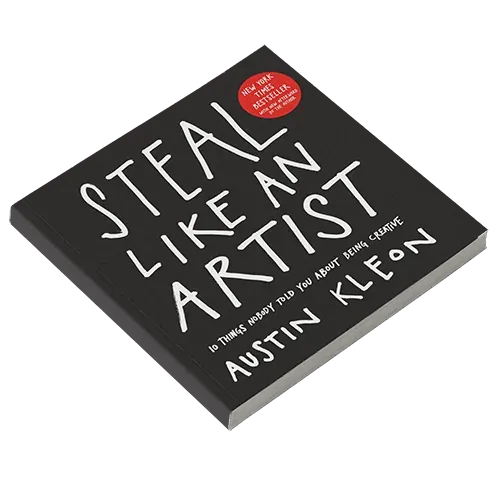
Steal Like an Artist — Austin Kleon
This book freed me from those anxious doubts and bursts of self-criticism each time I design. Kleon reminds us that nothing is truly original. Every idea builds on what came before, what we’ve seen, and what we’ve lived. A fun little guide to stealing the right way and keeping that imposter syndrome shoosh.
The Creative Act: A Way of Being — Rick Rubin
All I can say is I felt peace and freedom while reading this book. A true source of inspiration for creatives and a beautiful reminder of what creating is really about. Mr. Rubin, my man, your book just hits different.
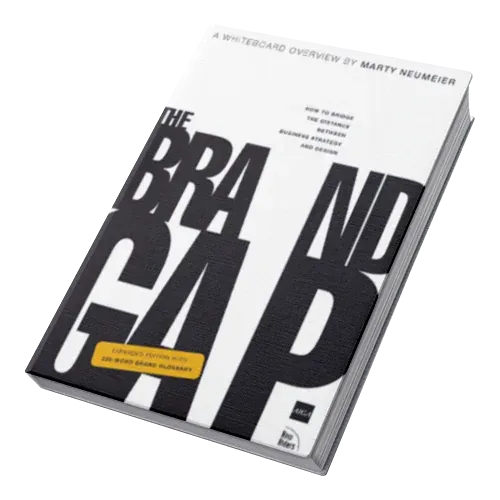
The Brand Gap — Marty Neumeier
From experience, I’ll say, design without branding is like a movie without a plot. Something’s always missing. Everyone talks about branding, but Marty explains it super clearly and way more fun than anyone else. He shares best practices, debunks old myths, and spices up the concepts with spot-on illustrations, making it an easy, one-sitting read. It's giving. You’ll get what branding is really about.
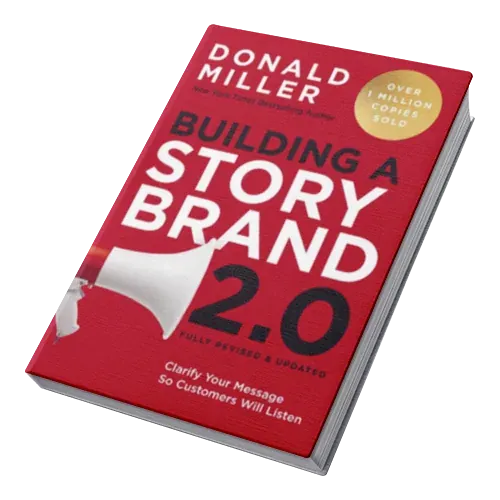
Building a StoryBrand — Donald Miller
No other book has hooked me with tasks like this one. Step by step, it guides you through practical exercises to build a legit brand story. Miller’s StoryBrand framework makes generic storytelling cry. It tickles your brain cells and helps you create a brand with a clear, meaningful message and goals.
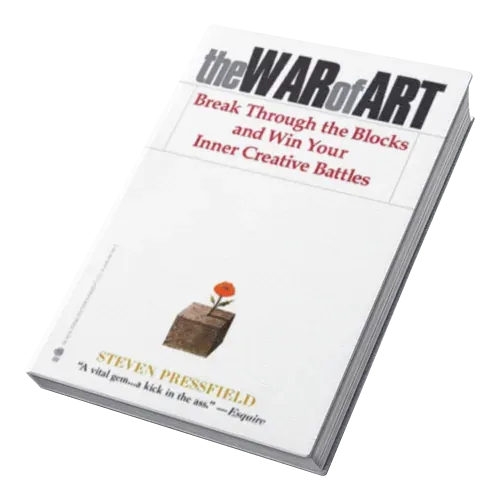
The War of Art — Steven Pressfield
All of us creatives have gotten stuck and fallen into self-sabotage at least... countless times. Why? Because our subconscious likes to be a dipstick. First, dig what's holding you back, and then plan how to handle it. The rest is PRO creative bruh mode. A good man, Steven says this. You’ll get the full scoop in this book.

Mindset, Communication & Business
Books that helped me grow beyond design. Because design doesn’t live in isolation. It's almost always part of business, and will flop without effective communication.
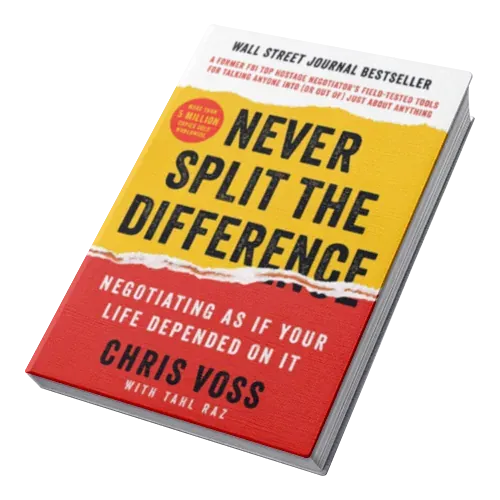
Never Split the Difference — Chris Voss
A book I wanted to highlight on every page. First of all, design is communication. And Chris? A former FBI hostage negotiator is one of the top minds when it comes to doing it right. Skills covered: listening, mirroring, clarifying "no," and guiding talks with questions. If you want your design solutions to be taken seriously and actually hit the spot in the business world, this one’s a must-read.
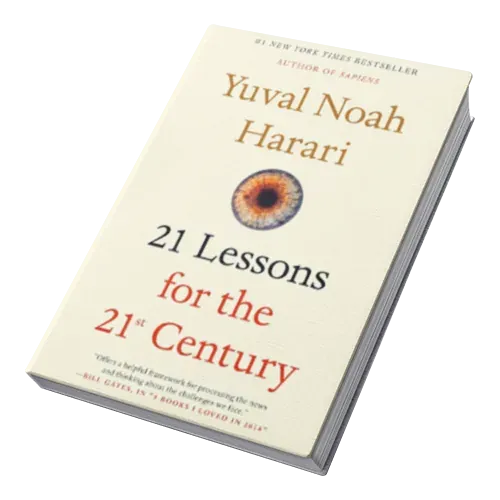
21 Lessons for the 21st Century — Yuval Noah Harari
This walking brain, Harari, always stretches my thinking and shakes up my mindset. I added this book because it perfectly fits today’s tech-driven world and society. Where those meet, design is always lurking in the shadows. 21 Lessons for the 21st Century doesn’t give answers, but it sure makes you think. Perfetto, mamma mia!
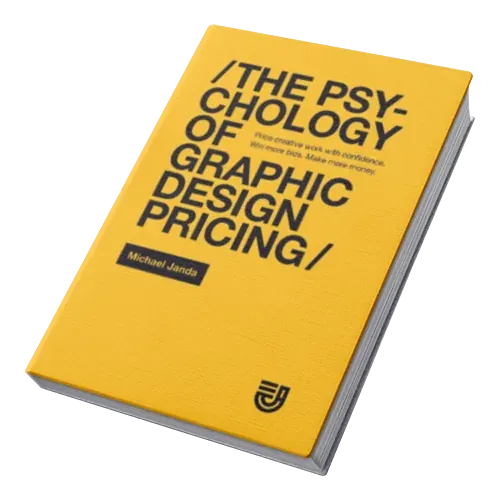
The Psychology of Graphic Design Pricing — Michael Janda
Moneyz time. Pricing is the forever struggle for us creatives. We keep waiting for someone to “discover” our talent instead of owning it and charging what we’re worth. Janda said no more and dropped a book that helps you figure out your real value. No more guessing. Check out his pricing formulas, and no hard feelings, stick to your rates.
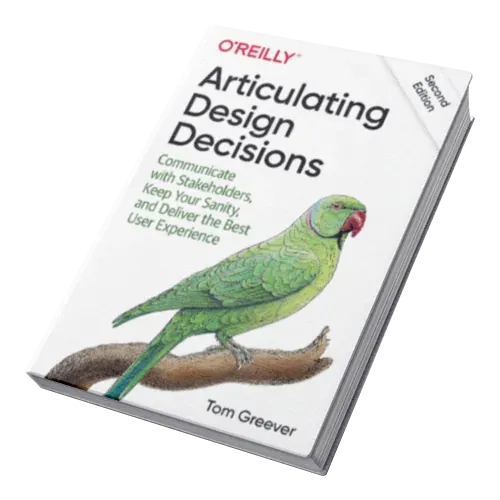
Articulating Design Decisions — Tom Greever
I’ll always say it: design is communication. In startups or corporations, everyone has an opinion on your designs. Why? Because they can. Designers, clients, stakeholders, devs, managers, QA, marketing peeps, clerks, cleaning lady, and your cat. This book helped me keep my sanity. It shows a shared language and understanding that helps designers ditch the big head and talk nicely, even when ideas make the doves cry. Yup, helps calm the cat, too.
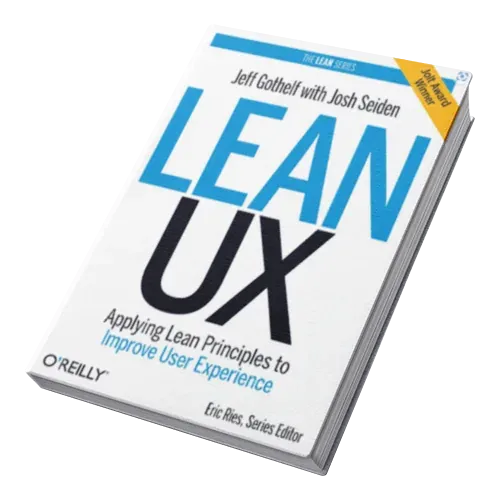
Lean UX: Applying Lean Principles to Improve User Experience — Jeff Gothelf
It mustn't be perfect before you launch. If you think it is, you probably launched way too late. What feels perfect to you is very likely shit in reality. The Lean approach lets you drop perfectionism, test design ideas fast, check them with real users, and keep tweaking as you learn.
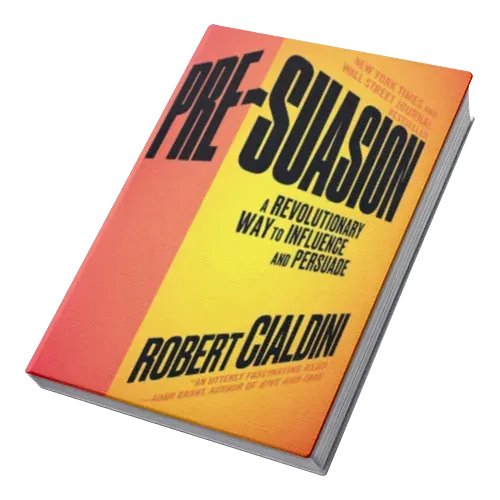
Pre-Suasion: A Revolutionary Way to Influence and Persuade — Robert Cialdini
As Cialdini says, persuasion begins before the actual message, in a “pre-suasion” phase that sets the stage and grabs the audience’s focus. Through research and real-world examples, he shows how subtle cues and environments make people more receptive. Marketers and sales teams usually reach for this book, but UX designers can benefit too. Lowkey, I did.
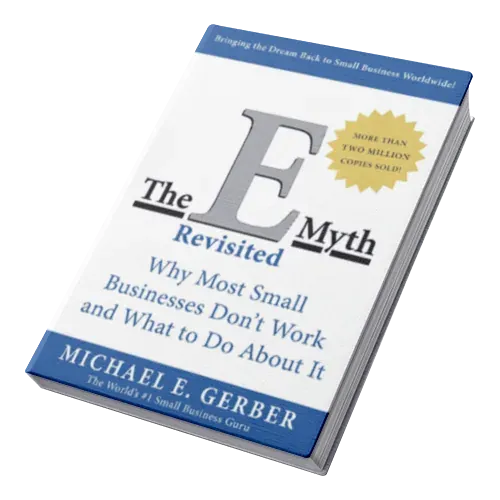
The E-Myth Revisited — Michael E. Gerber
No matter where you’re at... hired designer, freelancer, solo-preneur, in a team, or entrepreneur, this book busts myths and reveals your true working style. It gave me heaps to think about and helped me successfully adapt to my current business environment.
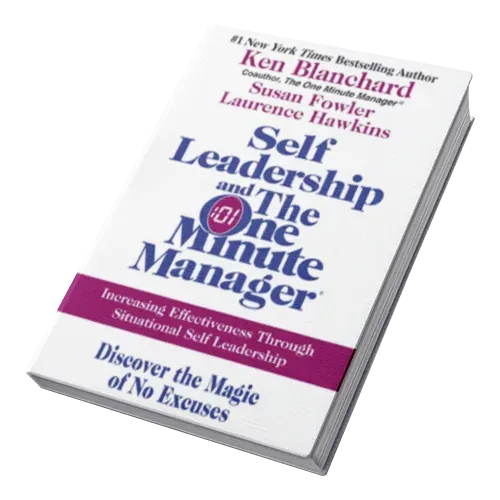
Self Leadership and the One Minute Manager — Ken Blanchard, Susan Fowler
For every time you get stuck in victim mode (been there) or feel that leadership spark (been there too), this is the quickest, most practical manual you'll find. I'm a firm believer that great leadership begins with truly knowing and leading yourself. What you do on the inside reflects on others. (Spoiler alert: this book agrees.)